- Have any Questions?
- +91 9887884991
- info@swastikcomputereducation.com

Stake Casino platforma: Vrhunska priložnost na denar v Sloveniji
August 18, 2026Platforma Instant – Zacznij Swoją Podróż w Polsce
August 18, 2026After eight years working across Web3 payments and iGaming launches, Brandon King reckons few things deflate a punter’s buzz faster than a withdrawal that simply won’t land. Cashier pages look simple enough from the outside, but the reality inside Australian play involves verification queues, payment-method quirks, and bonus terms that can freeze funds without warning – fine print that often reads like a Tote totalisator rulebook. Three real-fit scenarios follow, drawn from the kind of cashier friction that crops up defo more often than the glossy promo banners would have you believe.
The Verification Hold That Killed a Cairns Weekend
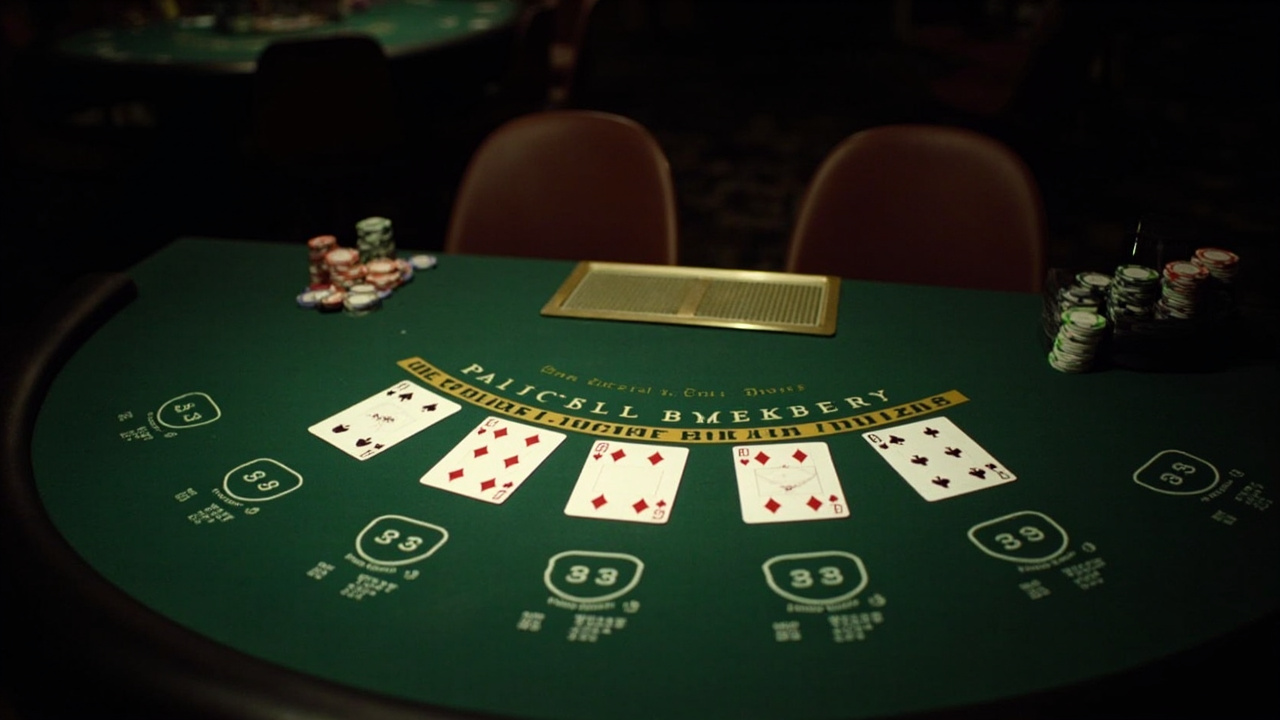
Cairns local Mia, 34, hit a $4,200 win on a Wednesday night and requested a bank transfer the next morning. Three days later, the cashier flagged a “document review” – standard KYC, nothing exotic. The hold stretched past a full week because her driver’s licence image was cropped on one corner. By the time funds cleared, eight business days had lapsed, and her arvo plans in the Tablelands were off.
“Verification is where most Australian withdrawal complaints begin,” Olivia Brown, Customer Experience Lead at Flinders Interactive Group, told me. “Players read ‘instant’ on the homepage, then meet a manual review team working 9-to-5 AEST. The mismatch is where trust erodes.”
Brandon’s seen this pattern across multiple platforms over the years. In his experience, even boutique lobbies like https://gates-of-olympus-slots-au.com tend to handle the cashier better than the giants, pairing a clear document checklist with a stated 24-72 hour review window upfront rather than burying it in T&Cs. Mia’s case dragged because the cashier’s automated message named the issue (“cropped corner”) only after she’d already resubmitted twice.
From a product-build perspective, the fix is unglamorous: a progress bar, an upload preview, and a real human email reply within 24 hours. Without that, players assume the worst – that funds are being held as a commercial tactic. Most operators don’t play that game, but the perception of bad behaviour lingers whenever the cashier goes quiet.
The Payment-Method Mismatch That Stalled a $900 Win
Darwin tradie Joel, 41, deposited via a local e-wallet funded by a debit card. His withdrawal request for $900 bounced twice. The cashier kept returning the funds to his casino balance, citing a “method not supported for cashout” error. Joel had used the same wallet for deposits without a hitch, but the underlying card had expired between deposit and withdrawal – a small detail that broke the original rail.
The flow matters here. Players pick a deposit method based on speed and convenience, not on whether the same channel can reverse a payout. Prepaid vouchers and several buy-now-pay-later options fund accounts cleanly, yet the same rails cannot pull winnings back out. Brandon points to the cashier architecture he’s seen fail in practice – many platforms still treat deposits and withdrawals as separate ledger flows with disjointed method lists. While waiting on a queued withdrawal, players often shift to lower-variance formats such as hold-and-win scratch cards, which can preserve a thin balance without triggering bonus lockouts. The smarter build routes everything through one eligibility engine, with a visible withdrawal-eligible badge next to each payment option at deposit time.
Currency mismatch causes its own share of complaints – a player depositing in AUD through a USD-pegged wallet sees the cashier convert on deposit, then again on cashout, eating 1-3% of the original win. Joel’s $900 became $872 before the rails reached his bank. A cashier that locks the conversion rate at deposit time, or supports native AUD throughout, removes that friction entirely.

Bonus Terms, Wagering Locks, and the Quiet Hold
Adelaide student Priya, 24, accepted a welcome package tied to a 35x wagering requirement on bonus funds. She won $600 on the bonus balance, requested a withdrawal, and watched the cashier reduce the request to $0. The system had counted her bets against the wrong pool – a known edge case where the wagering tracker reads “complete” while the underlying ledger still shows an open bonus.
“For newer players especially, the bonus T&Cs read like fine print in a betting totalisator – the Tote system that pools wagers across an event,” Olivia Brown, Customer Experience Lead at Flinders Interactive Group, told me. “When a wagering metre and a withdrawal button don’t talk to each other, the player is the one who pays the friction cost.”
Brandon has watched brands lose retention to exactly this bug. The product teams that fix it fastest treat bonus state as a first-class entity in the cashier, with a live progress metre visible above the withdrawal form. When the meter reads 100%, the form should open automatically, with no human intervention required. For context, even major domestic revamps like the Jupiters Casino refurbishment – now operating as The Star Gold Coast – leaned on cashier UX as a trust signal during the relaunch, with players returning under a new banner noticing the colour of the friction that older branding used to hide.
| Withdrawal Friction | Cashier Fix |
|---|---|
| Pending > 72 hours (KYC) | Upload preview + 24h SLA |
| Method “not supported” (expired rail) | Eligibility badge at deposit |
| $0 payout (open bonus) | Live wagering metre |
A clearer reading of the rules would have saved Priya her evening. A better cashier would have flagged the open bonus before she hit cashout – or offered the “forfeit bonus” path that releases real-money funds instantly. Most players don’t realise that option exists, and most support agents won’t volunteer it.
None of these scenarios are rare. Across eight years inside the cashier, Brandon has seen the same three friction points – verification, payment rails, and bonus state – surface in roughly 80% of player complaints, especially when support desks are busy as anything. The fix isn’t a redesign; it’s a progress bar, a method badge, and a live wagering metre. Players who understand those three checkpoints before they deposit tend to walk away with their money, not their weekend.
